Insights
Deep dives into company intelligence, workforce trends, and the data that drives smarter decisions.
Live observation gives timing, a historical record gives meaning. How the two layers work together, where the pairing earns its place, and where it stops working.
Most private market signals decay within weeks. Foundation intelligence is the structural layer beneath them: company history, workforce evolution, and capability trajectories that make predictions durable.
M&A teams need more than a current snapshot. Longitudinal company intelligence reveals how a target evolved, where hidden risk accumulates, and why the real deal story is written across years, not quarters.
We rebuilt the workforce of 225 major retailers from 2012 to 2016 and tracked them through 2026. Seventy two disappeared, and the strongest predictor was not size or revenue.
How institutional deal teams replace volume lead generation with longitudinal company signals to originate high value investment cases earlier.
Two companies with 500 employees today look identical to every agent, CRM, and intent platform. One is contracting from 1500. One is expanding from 100. The difference is the difference between a right answer and a wrong one.
Vivameda trained a time-safe model on 28,664 companies. The top 1% scored hypergrow at 27x the base rate, and 100% of held-out unicorns landed in the top 30% at their pre-scaling year.
Historical workforce patterns, not snapshots, drive predictive accuracy. Learn how verified longitudinal data and rigorous evaluation turn hiring and attrition signals into forward-looking insight.
Foundation models trained on present-tense web text inherit the biases of the moment they were scraped. Verified historical substrate corrects this distortion.
In today's data-driven landscape, the focus is shifting from the sheer volume of data to its historical depth. True competitive advantage now lies in the richness and longitudinal nature of data assets.
Enterprise AI teams building predictive workforce models achieve better outcomes with curated historical snapshots than with fragile, gap-filled real-time scraping pipelines.
The enterprise shift from 'Big Data' to 'Great Data' is fundamentally changing workforce intelligence, prioritizing precision and historical integrity over sheer volume.
Enterprise AI initiatives are stalling because they lack the data precision standards found in fields like satellite imagery. To succeed, companies must move beyond noisy contact data and build high-resolution, calibrated workforce infrastructure.
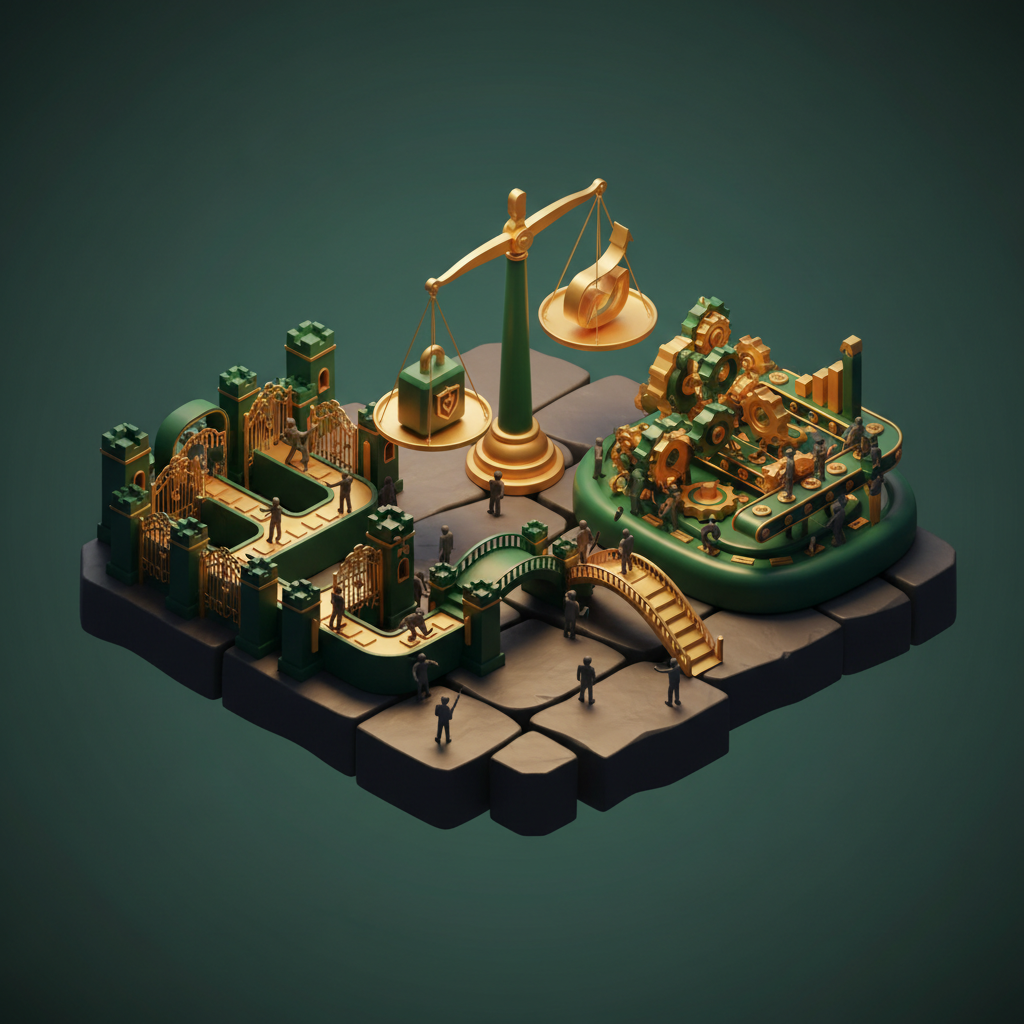
As data sovereignty laws clash with the explosion of AI infrastructure, enterprise workforce analytics teams must redesign their architecture to avoid a terminal performance tax.
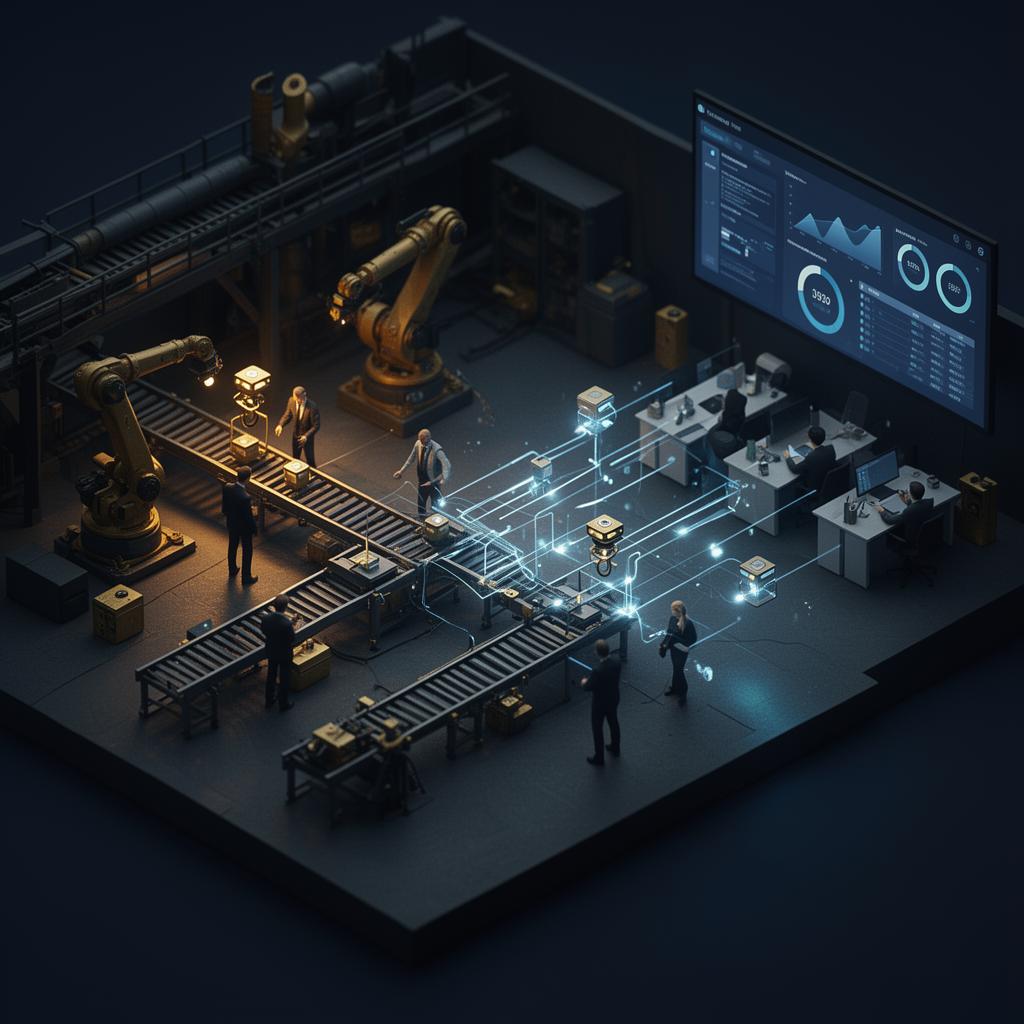
Explore why the high-ROI predictive maintenance models used by industrial giants have failed to scale in workforce analytics and how to build the right data infrastructure to fix it.
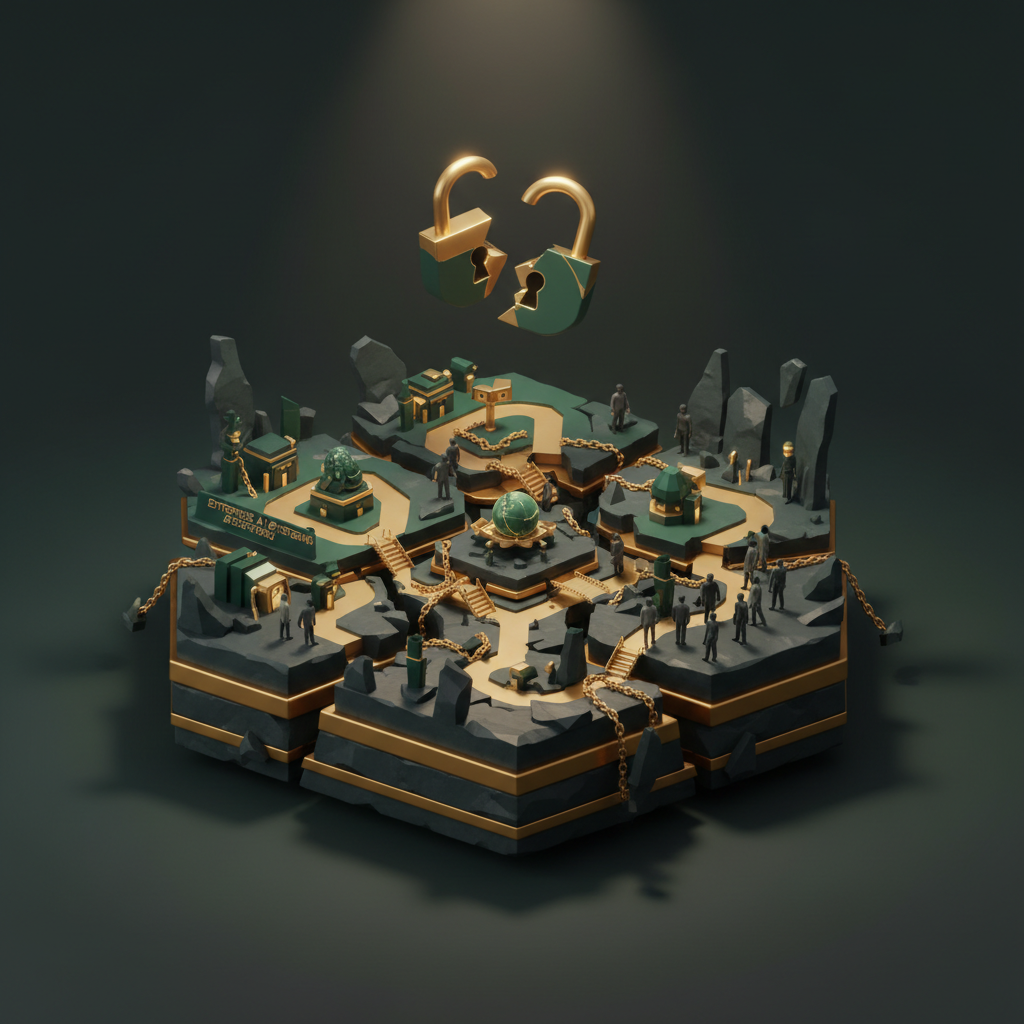
Discover why the interaction between individual AI tools creates unauthorized workforce decision chains and how to evolve your data governance to close the Multi-Agent Authorization Gap.
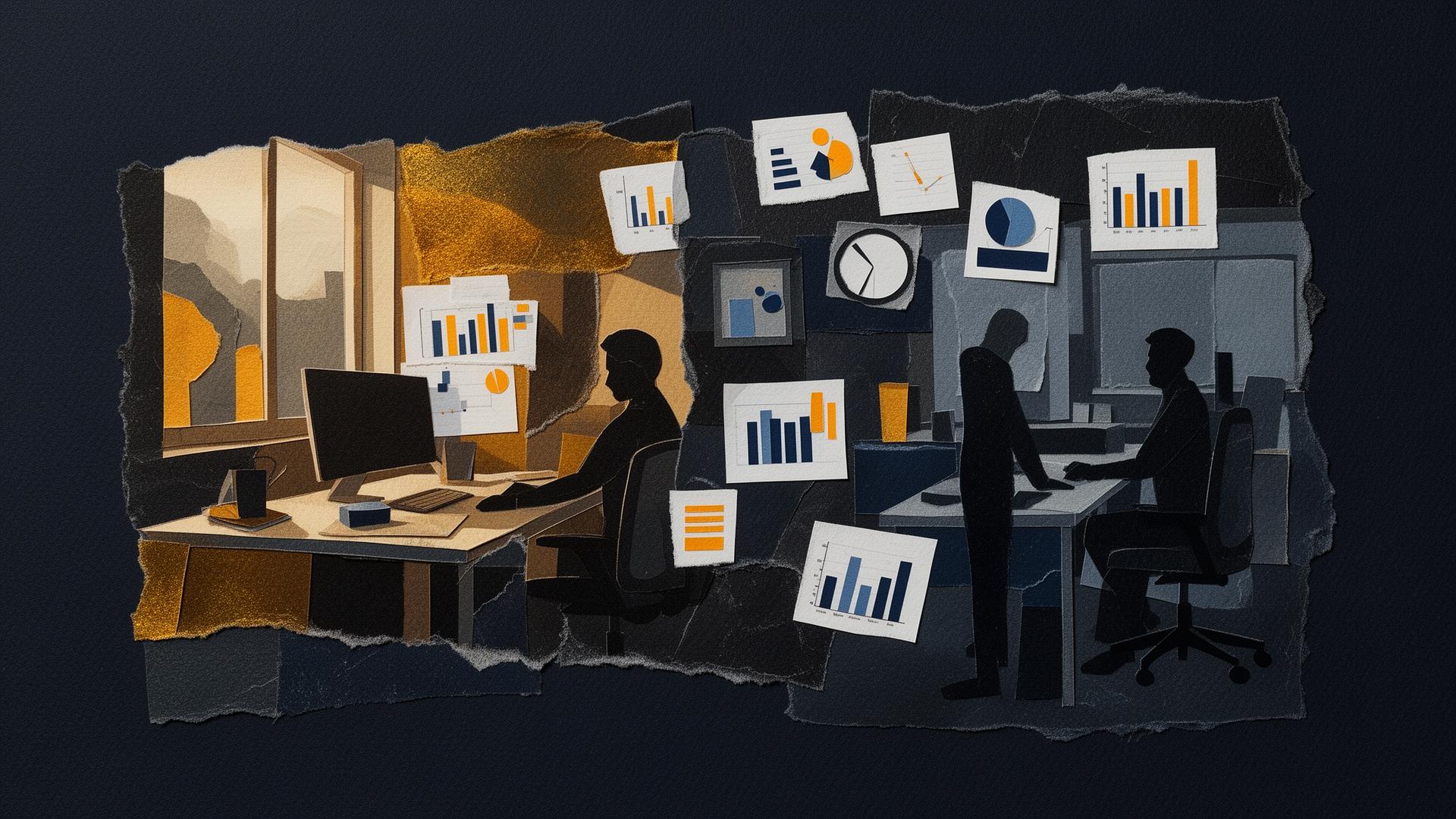
The 20th-century factory model is failing the modern workforce. Learn why traditional analytics miss the productivity surge driven by personal-professional task integration.
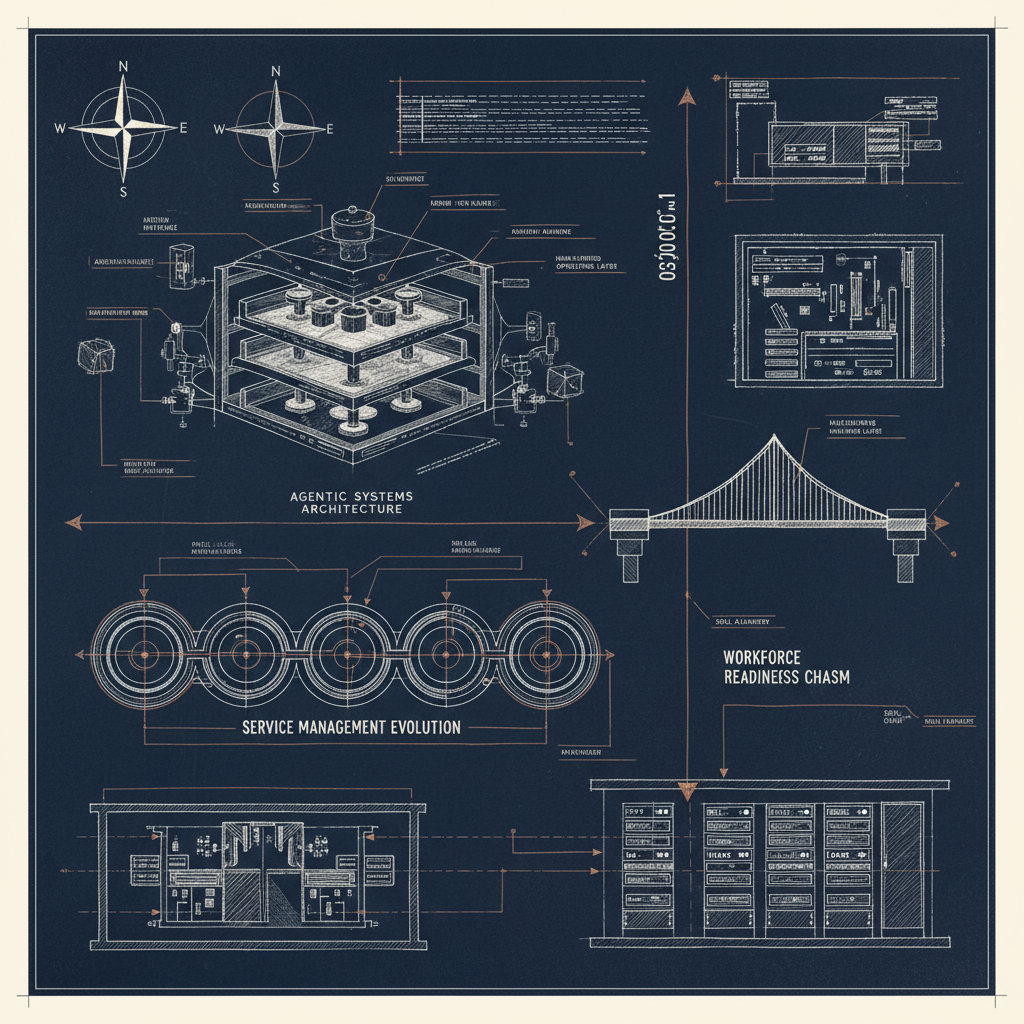
The rapid rise of agentic AI in IT service management is leaving workforce capabilities behind. Organizations must treat historical workforce data as critical infrastructure to bridge this growing skills gap.
A 2026 study shows 66% of companies that cut staff due to AI are now rehiring them, revealing the massive hidden costs of failing to differentiate between automated tasks and redundant roles.
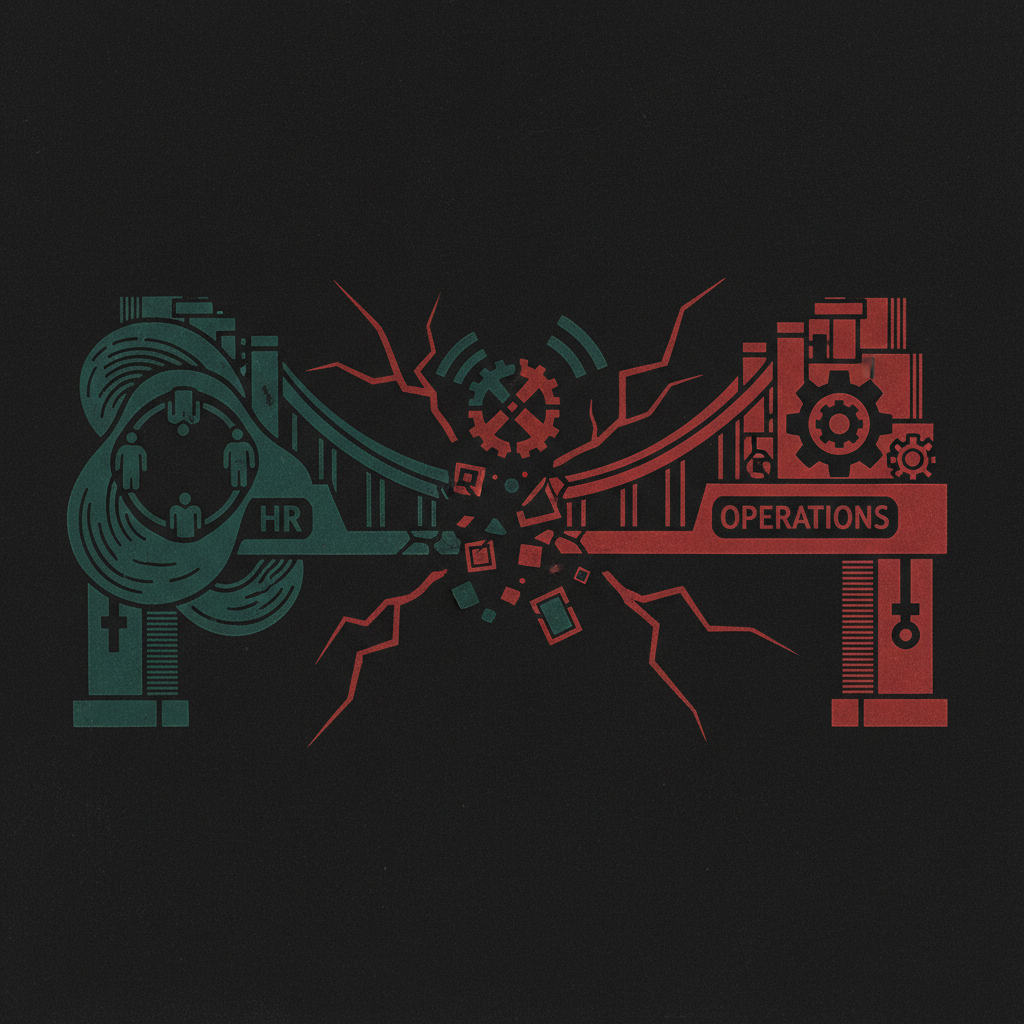
Learn why workforce transformation fails when treated as an HR-only problem and how to bridge the gap between talent analytics and operational intelligence.
Enterprise leaders are rushing to deploy AI agents without securing the underlying workforce data, creating massive risks for compensation and performance records. Learn why data sovereignty is the missing link in modern HR infrastructure.
Many companies are frantically rehiring employees they laid off in the rush to adopt AI. Learn why a lack of high resolution workforce data infrastructure led to this massive strategic failure.
As agentic AI deployments grow, employees are facing a new form of digital exhaustion. Learn why measuring cognitive load is the next frontier for workforce analytics.
Enterprise AI agents are currently limited by a lack of operational context. To achieve true autonomy in talent operations, organizations must build a process intelligence layer based on historical workforce data.
Federal labor statistics are lagging behind the AI revolution, creating a dangerous measurement gap for enterprise leaders. Learn how private workforce intelligence provides the real-time data needed to navigate this transition.
The Labor Market Volatility Paradox reveals why relying on monthly snapshots is a structural risk. Learn how continuous workforce intelligence serves as the essential data infrastructure for modern leaders.
Discover how the AI Exposure Index measures workforce risk and how to use data infrastructure to create actionable reskilling roadmaps for at-risk job families.
Discover how shifting from static people analytics to adaptive HR intelligence frameworks closes the knowing-doing gap and drives measurable business impact.
The enterprise workforce analytics market is shifting from an implementation phase to an activation crisis. Learn why your dashboards aren't driving results and how to close the gap between data and action.
New data from the Dallas Fed reveals that younger workers, not older ones, are most vulnerable to AI displacement. Learn how granular workforce intelligence helps leaders identify the specific skills that protect against automation.
Workforce intelligence is no longer just for HR; it is a high-alpha alternative data source that allows investors to predict company performance through headcount shifts, attrition spikes, and hiring velocity.